
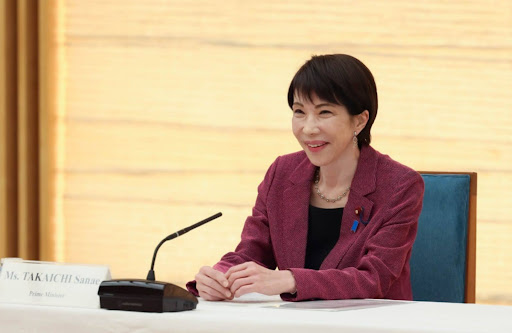
Japan is set to begin the biggest-ever release from its strategic oil reserves this week, releasing 80 million barrels to domestic refiners as Prime Minister Sanae Takaichi battles both a genuine energy crisis and a wave of social media-driven public anxiety. The US-Israel conflict with Iran has disrupted tanker traffic through the Strait of Hormuz, threatening the supply of oil that Japan depends on for over 90% of its crude imports. The government’s response has been swift, large-scale, and carefully calibrated to address both the material and psychological dimensions of the crisis.
Online speculation about impending shortages of toilet paper and household goods spread rapidly following news of the energy crisis, prompting urgent reassurances from industry groups and government officials. The Japan Household Paper Industry Association noted that approximately 97% of toilet paper sold in Japan is produced domestically from recycled paper, with no dependency on Middle Eastern oil. Officials urged the public to resist panic purchasing and make buying decisions based on verified facts.
The oil reserve release covers 45 days of Japan’s domestic consumption and exceeds by 1.8 times the previous record drawdown made during the 2011 Fukushima crisis. Japan currently holds reserves of approximately 470 million barrels, equivalent to 254 days of domestic demand — a stockpile that the government has worked to maintain at high levels precisely for situations like the one now unfolding. This substantial buffer gives Tokyo room to maneuver even as the global energy situation remains uncertain.
Gasoline retail prices had already hit a record ¥190.8 per litre when the government introduced subsidies to bring costs down to approximately ¥170. These measures will be reviewed on a weekly basis and adjusted to reflect ongoing changes in global oil prices. The government is clearly committed to ensuring that the international energy crisis does not become an unmanageable domestic inflation problem.
On the foreign policy front, Takaichi has held her ground against pressure to involve Japanese naval forces in securing the Strait of Hormuz. She explained to President Trump that Japan’s postwar constitution prevents overseas military deployment, while committing to pursue every available diplomatic avenue to promote stability in the Middle East. Japan’s combination of energy pragmatism and principled diplomacy is shaping up as its defining response to the crisis.