
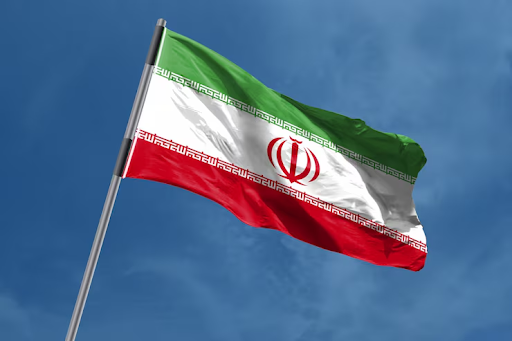
Iran issued a dramatic military warning on Wednesday, telling American intermediaries it was prepared to carpet-bomb its own territory to prevent a US landing force from establishing a foothold on Iranian soil. The threat came amid reports that the Trump administration was considering an operation to seize Kharg Island, Iran’s primary oil export facility. The warning added a dangerous new dimension to a conflict already stretching diplomatic and military resources to their limits.
The escalatory rhetoric accompanied the collapse of the latest diplomatic exchange. Iran formally rejected the US ceasefire proposal and countered with five demands of its own, including war reparations and continued Iranian control of the Strait of Hormuz. Tehran made clear it would set the terms for any peace, not Washington. Intermediaries from Pakistan, Egypt, and Turkey continued pushing both sides toward direct talks.
Trump’s administration was deploying additional forces to the region including units of the 82nd Airborne Division, specialised in seizing and holding territory in contested environments. Thousands more marines and sailors were also being sent. Iran’s parliament speaker Mohammad Bagher Ghalibaf warned that if the US attempted to occupy Kharg or any other Iranian island, Iran would launch “continuous and relentless attacks” on any regional country that assisted the invasion.
An Iranian military official warned separately that if the US attempted naval operations in the Persian Gulf or Sea of Oman to pressure Tehran, Iran would open unexpected new fronts. This appeared to be a reference to expanding attacks in the Red Sea, which already serves as a flashpoint for Houthi activity against international shipping. Such escalation would compound an already severe global energy crisis driven by Iran’s blockade of the Strait of Hormuz.
The human and political costs of the conflict were mounting. Trump’s approval rating dropped to 36%, and most Americans surveyed said the war had exceeded acceptable limits. Oil prices had already sent economic shockwaves globally, and the prospect of Iranian attacks on Red Sea shipping threatened to deepen the crisis further. The UN secretary-general called for an immediate halt to hostilities and urged both Israel and Hezbollah to stop fighting, warning that the devastation of Gaza must not become the template for Lebanon.