
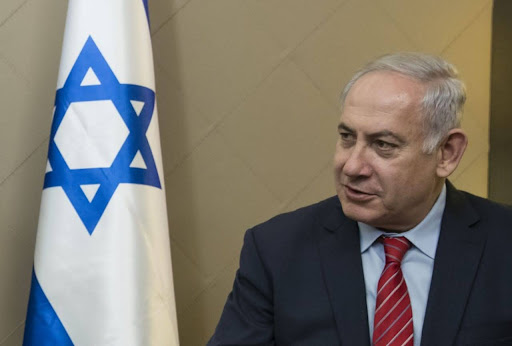
Three weeks into the conflict with Iran, Israeli Prime Minister Benjamin Netanyahu stepped before reporters Friday and delivered an upbeat assessment, declaring that Tehran’s ballistic missile and uranium enrichment infrastructure had been effectively destroyed. He rejected media characterizations of Israel as having drawn the United States into the war, calling those reports fabrications. Netanyahu was confident, focused, and forward-looking throughout the entire briefing.
The prime minister spent considerable time clarifying the nature of American-Israeli coordination. He insisted that Donald Trump was not a leader who could be manipulated or directed by any foreign government, least of all Israel. Netanyahu said that on the question of Iran’s nuclear program, it was Trump who educated him rather than the other way around, suggesting the two leaders shared a deep and independently formed understanding of the threat.
Netanyahu confirmed that Israel launched the strike on the South Pars gas compound as a solo decision and operation. He disclosed that Trump asked him to hold off on further attacks on Iranian gas fields, which Netanyahu acknowledged while maintaining that Israel’s capacity for independent action remained intact. The exchange was presented as a healthy example of close wartime coordination.
Iran’s threats to close the Strait of Hormuz were dismissed by Netanyahu as a blackmail attempt that would ultimately fail. He proposed an alternative infrastructure vision that would route energy exports from the Arabian Peninsula through pipeline corridors to Israeli and Mediterranean ports. Netanyahu argued this would not only solve the immediate strategic challenge but reshape the region’s energy geopolitics for decades.
Netanyahu observed signs of strain within Iran’s governing structure, noting that the anticipated new supreme leader had not surfaced publicly during the conflict. He said the question of who was actually running Iran was genuinely unclear, and that competing factions were visibly jockeying for position. These fractures, Netanyahu argued, were pushing the war toward a faster-than-expected resolution.