
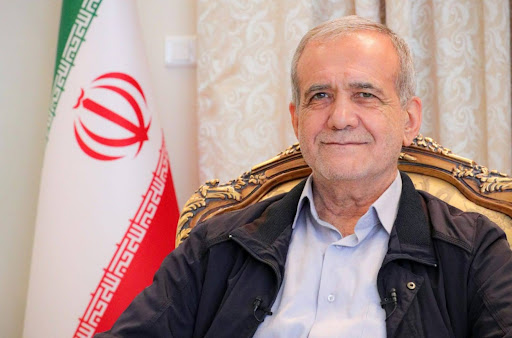
Iranian President Masoud Pezeshkian has made an explicit link between Gulf nations’ future prosperity and their willingness to deny US and Israeli forces the use of their lands. The statement, delivered via X amid more than a month of active conflict, represents one of Tehran’s most direct challenges to the Gulf’s security architecture. Pezeshkian framed the issue not as a threat but as a practical observation about what security requires.
Multiple Gulf nations, including Saudi Arabia, the UAE, Oman, Kuwait, and Qatar, have found themselves on the receiving end of Iranian strikes as a consequence of hosting American bases from which attacks on Iran have been launched. Tehran has consistently framed its military actions as retaliatory, drawing a clear line between cause and effect. Gulf governments are now in an increasingly difficult position.
On X, the Iranian president stated that Iran does not attack preemptively but will respond forcefully to any assault on its infrastructure or economic foundations. He then appealed to Gulf leaders to consider what genuine security actually looks like, arguing it cannot be achieved while foreign powers wage war from their territory. The message was sobering and strategically calculated.
Pakistan’s Prime Minister Shehbaz Sharif has maintained open lines of communication with both sides of the conflict and played a key role in relaying positions. His conversation with Pezeshkian confirmed that trust remains the missing ingredient in any potential peace process. Islamabad’s initiative has earned praise from Tehran and recognition from regional players.
A diplomatic summit in Pakistan is currently underway, with senior diplomats from Saudi Arabia, Egypt, and Turkey discussing de-escalation frameworks under the coordination of Pakistani Foreign Minister Ishaq Dar. The meetings represent a meaningful convergence of regional diplomatic will. Whether they produce actionable results will determine their historical significance.