
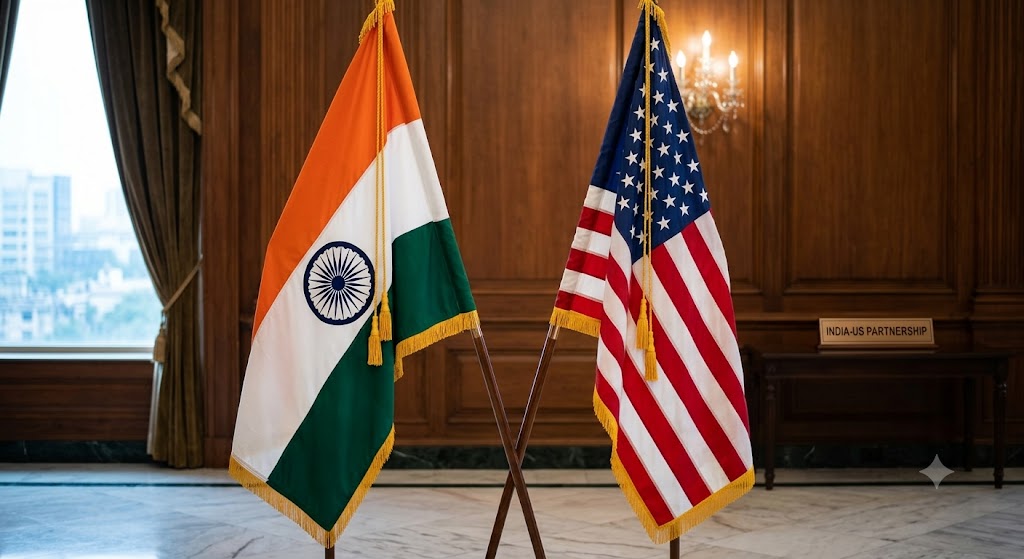
As India and the United States work toward resolving key differences, they have resumed efforts to finalize an interim trade agreement. With the deadline for new tariffs approaching, both nations are keen to address the outstanding issues that have hampered progress in previous discussions. Officials from both sides are optimistic, noting that only a few challenges remain after several months of negotiations.
The trade talks are part of a broader objective to increase bilateral trade to over $500 billion by 2030. However, the process encountered obstacles when the US imposed new tariffs on Indian goods, significantly raising duties on certain items. An earlier framework aimed at reducing tariffs on Indian exports, but its implementation faced setbacks due to legal challenges in the United States.
The proposed trade agreement envisions India reducing tariffs on specific US industrial and agricultural products. In return, the US would lower duties on Indian goods. Sensitive sectors, such as dairy, wheat, rice, and poultry, remain protected due to domestic concerns in both countries.
Agriculture continues to be a contentious issue. The United States is pushing for greater access for its farm exports, while India remains cautious, considering the potential impact on local farmers and existing food regulations. Resolving these agricultural disputes is crucial for both countries to reach a mutually beneficial agreement.
Achieving a successful trade agreement could enhance relations between India and the United States, fortify India’s competitive stance against other exporters, and support the shared goal of expanding their economic partnership. With both parties expressing a willingness to cooperate, an agreement could mark a significant step forward in their bilateral trade relations.