
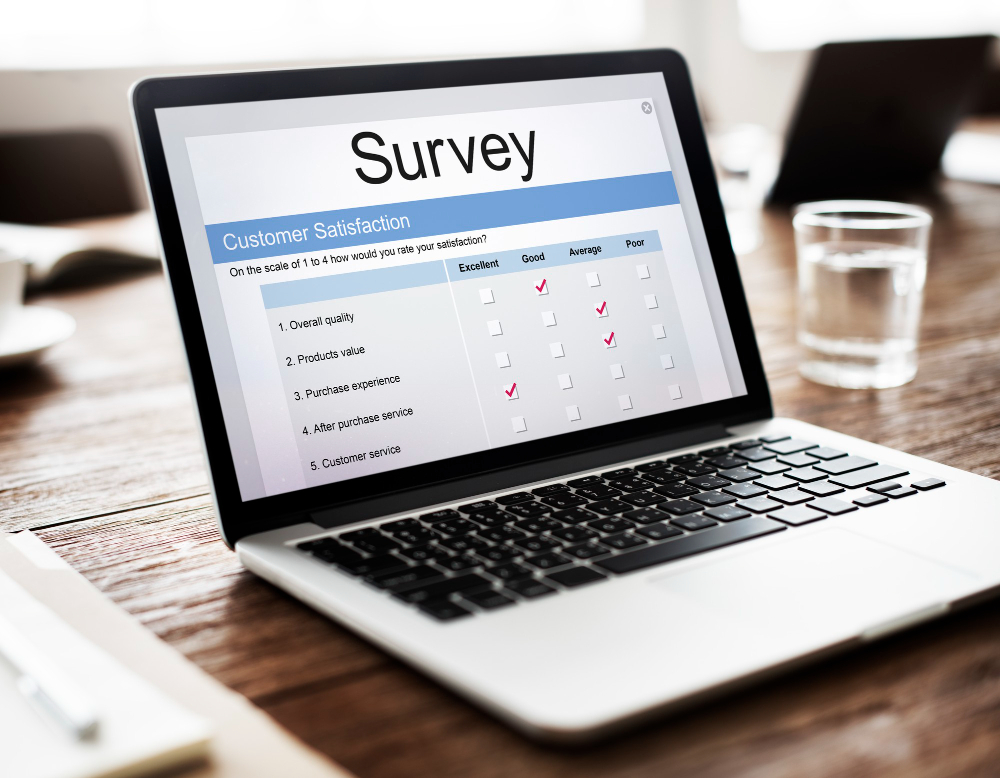
In the dynamic landscape of market research, consumer surveys have emerged as a vital tool for understanding customer behaviors, preferences, and motivations on a large scale. By integrating quantitative metrics with qualitative insights, these surveys offer a nuanced perspective on satisfaction levels, brand perception, and purchasing intentions. Particularly in India, where diverse literacy levels and connectivity challenges exist, surveys are conducted via digital, telephonic, and face-to-face methods to ensure comprehensive representation. These surveys are instrumental in reducing risks associated with new product launches, refining brand positioning, and validating pricing strategies, especially in a market where a significant percentage of FMCG launches fail within two years.
Consumer surveys utilize various methodologies, each tailored to specific environments and demographic needs. Online surveys, facilitated by computer-assisted web interviewing (CAWI), are cost-effective and most suitable for digital-savvy Tier-1 metro audiences. Mobile and app-based surveys capture consumer behavior on the go, while telephonic surveys are effective in Tier-2 and Tier-3 cities where mobile penetration is high but data adoption is limited. In rural India, face-to-face surveys using offline-capable tablets help navigate literacy and dialect diversity, while traditional pen-and-paper surveys remain reliable in low-connectivity areas.
These surveys are crucial for customer satisfaction tracking, brand health monitoring, and product concept testing. They support segmentation, forecasting, and post-purchase analysis across B2C and B2B sectors. Furthermore, the adoption of new techniques such as AI-driven conversational surveys and hybrid multi-mode surveys ensures a nationally representative coverage while optimizing costs. The New Consumer Classification System (NCCS) framework is pivotal in ensuring that survey samples reflect the socio-economic diversity of India, ranging from affluent urban households to value-led rural communities.
Recent advancements in consumer research highlight the influence of AI and digital tools in streamlining the survey process. AI-powered survey designs and automated coding significantly reduce analysis timelines, while vernacular voice-AI surveys unlock responses from low-literacy rural participants. These innovations, alongside real-time sentiment analysis and the integration of social listening into longitudinal studies, are reshaping the landscape of consumer research in India. As brands strive to capture authentic consumer insights, they must navigate regulatory frameworks like the Digital Personal Data Protection Act 2023, which emphasizes informed consent and data privacy.
A case study of an FMCG brand’s expansion into Tier-2 cities and rural areas illustrates the power of tailored consumer research. By employing a hybrid survey design across 2,800 respondents, the brand identified key packaging and promotional strategies that resonated with different tiers, leading to a significant volume uplift. This underscores the importance of consumer surveys in converting customer feedback into actionable business strategies, thereby enhancing campaign engagement, product development success, and overall market entry outcomes.