
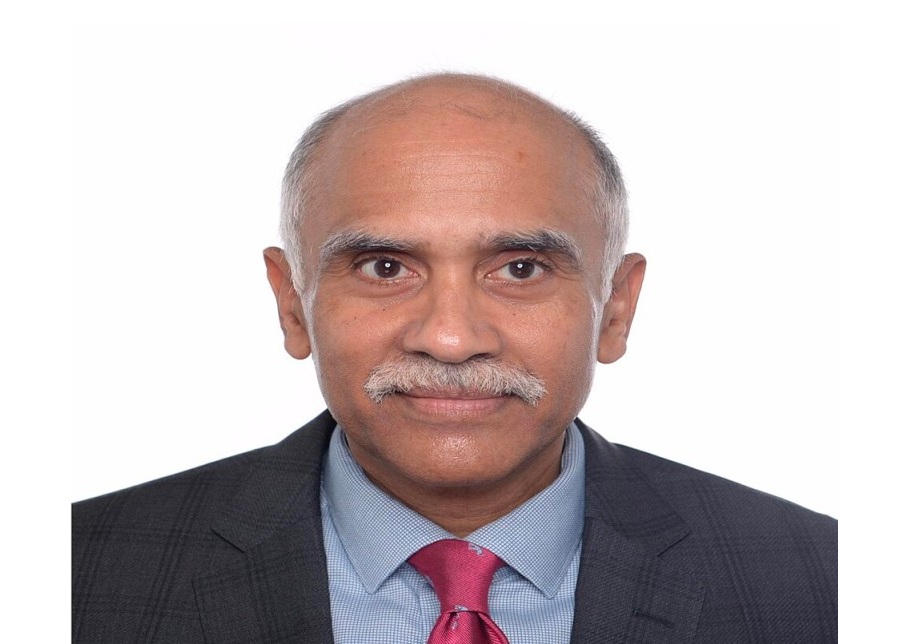
At a United Nations Security Council meeting, India sharply criticized Pakistan for labeling certain groups operating in the Balochistan region as “Fitna al-Hindustan.” India’s Permanent Representative to the United Nations, Harish Parvathaneni, dismissed this terminology as state-sponsored misinformation, accusing Pakistan of using religious language to incite animosity towards India.
Parvathaneni addressed the Security Council, arguing that this narrative is part of a deliberate disinformation campaign designed to deflect attention from Pakistan’s own political and economic difficulties. He contended that the rhetoric serves to perpetuate anti-India sentiment rather than tackling the core issues at hand. This follows Pakistan’s official designation of militant groups in Balochistan under the term, suggesting efforts allegedly backed by foreign entities to destabilize the region.
In addition to this, India expressed concern over Pakistan’s military activities in Afghanistan, particularly highlighting airstrikes that reportedly led to civilian casualties. Parvathaneni asserted that such civilian deaths are not justifiable under any counterterrorism pretext and called for action to hold those responsible accountable.
The Indian envoy further criticized the political and military leadership in Pakistan, arguing that the tendency to blame neighboring countries for internal problems does not address the underlying challenges that Pakistan faces. He emphasized that these tactics would not bring resolution to Pakistan’s domestic issues.
This exchange underscores the ongoing tensions between India and Pakistan on international platforms, where both nations frequently accuse each other of interference and destabilizing activities. The interactions at the UN highlight the deep-seated rivalry and the challenges in bilateral relations.