
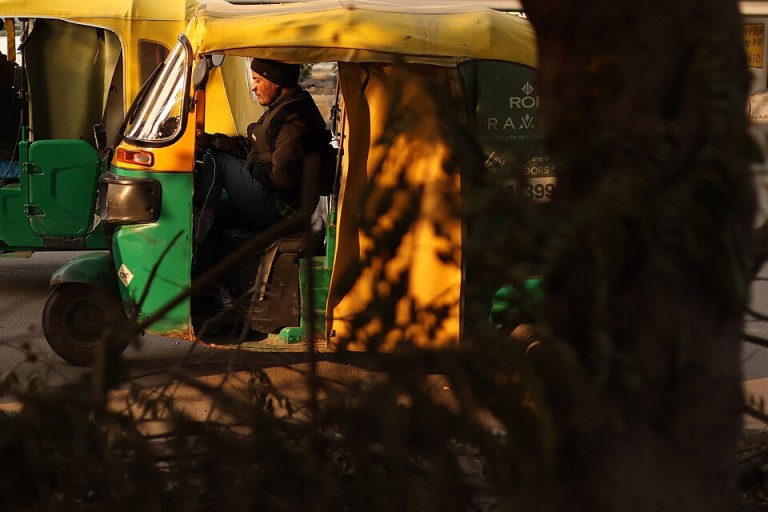
In a strategic move aimed at combating pollution and enhancing air quality, Delhi’s government has unveiled an ambitious plan to phase out petrol-driven scooters, motorcycles, and autorickshaws. The initiative is part of a broader effort to curtail harmful emissions in the capital city, a region notorious for its severe winter smog. By 2030, the policy targets a 30% electrification of the city’s vehicle fleet, marking a significant shift towards electric mobility.
Key aspects of the transition include the commencement of new registrations for electric three-wheelers and small commercial vehicles by 2027, followed by electric scooters and motorcycles in 2028. This timeline underscores the urgency with which the government is addressing transportation emissions, a major contributor to Delhi’s pollution woes. The move has received positive feedback from environmental experts, who emphasize the potential health benefits of reducing vehicular emissions through the adoption of electric two- and three-wheelers.
To facilitate this transition, the government plans to establish over 30,000 public charging points across the city, aiming to alleviate one of the primary concerns associated with electric vehicle adoption. Despite these efforts, challenges remain. Autorickshaw drivers have voiced apprehensions about the practicalities of charging times, the cost of electric vehicles, maintenance issues, and the potential impact on their incomes during the transition phase. These concerns highlight the need for a well-rounded approach that addresses the economic realities faced by drivers and consumers alike.
Critics of the policy have pointed out that the proposed timeline might be overly optimistic, suggesting that more time may be needed to adequately prepare drivers, manufacturers, and consumers for such a significant change. While the policy includes incentives like tax benefits for electric vehicle purchasers, there are calls for the government to place greater emphasis on expanding clean public transport systems and enhancing last-mile connectivity. This, they argue, would provide a more comprehensive solution to the city’s transportation and pollution challenges.