
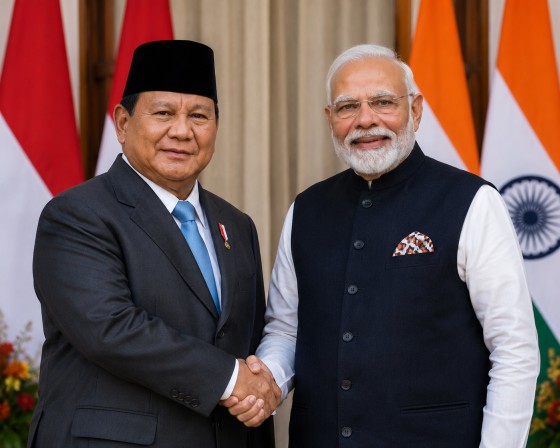
In a significant diplomatic engagement, Indian Prime Minister Narendra Modi is set to travel to Indonesia next week for discussions with President Prabowo Subianto. A major agenda item for the bilateral talks is the enhancement of cooperation on critical minerals, an area of increasing strategic importance for both nations.
Indian Ambassador Sandeep Chakravorty has indicated that India and Indonesia are crafting a series of memorandums of understanding across sectors like critical minerals, healthcare, pharmaceuticals, education, and space. While some agreements are anticipated to reach finalization during Modi’s visit, others are still being negotiated. This visit underscores India’s intent to bolster ties with Indonesia, particularly in the realm of critical minerals processing and manufacturing.
The potential collaboration aims to establish production facilities in Indonesia, ensuring a steady supply of critical minerals for the Indian market and facilitating global exports. The discussions include exploring joint ventures with Indonesian partners, reflecting a mutual interest in strengthening economic ties and supply chain security.
Indonesia’s position as the world’s top nickel producer makes it a pivotal ally for nations aiming to secure critical mineral supplies essential for electric vehicles, batteries, and cutting-edge technologies. The Indonesian government stipulates that nickel must be processed domestically before export, fostering investments in downstream industries. This requirement aligns with India’s strategy of reducing reliance on external sources while expanding its economic partnership with Indonesia.
This visit marks a strategic step in India’s broader objective to enhance critical mineral supply chains. By advancing economic cooperation with Indonesia, India seeks to not only secure essential resources but also stimulate growth in related sectors, reflecting a forward-looking approach to international collaboration.